This series contains the blog articles by biblical scholar Dr Michael S. Heiser in his blog series on eschatology.
Why an Obsession with Eschatology is a Waste of Time, Part 12
Focus: Continuation of the 70th week of Daniel 9. (Last one – features a scholarly article defending a non-Left Behind view so you know the issues involved.
[Note: The book ‚Left Behind‘, published 25 years ago, was the first in a whole series of books and movies and a movement that is about God suddenly taking the true believers to paradise before the end of the world. Those left behind must suffer the great tribulation and the end of the world.]
Before leaving Daniel 9 I wanted to comment on Peter Gentry’s very recent article, as well as two others. All three take Daniel 9:24-27 as messianic (i.e., that the anointed one who is cut off is indeed Jesus the Messiah), though they do not take all elements of the outworking of the 70 weeks the same way.
Gentry’s article was everything I’ve come to expect from anything Peter writes. It was clear, cogent, and thorough. Frankly, it’s the most coherent explanation I’ve read on Daniel 9:24-27. I’m quite glad that a reader brought it to our attention. All of you should give it a close read.
Before anyone says, ‚wait a minute Mike, Peter takes positions in the article with which your previous posts have disagreed, what’s up?‘ What’s up is that you haven’t been paying attention (or I haven’t repeated it sufficiently!). I wasn’t taking any positions in my prior posts (none of them), only bringing to your attention the interpretive difficulties and ambiguities in the passage.
I’ll summarize how Peter handles the specific issues we’ve been chatting about below. In a nutshell, he sees Daniel 9:24-27 as entirely messianic – no antichrist is in view – and already fulfilled. Again, this is well presented and well-argued (that is, every element has exegetical support). What this means is that, for Peter, the passage is about Jesus, his first coming, his vicarious death, and the destruction of the temple that was Jesus‘ body AND the Jerusalem temple in 70 AD.
Peter’s article covers every facet of Daniel 9:24-27, but if we zero in on how exactly he sees what’s going on in those verses, this is his most crucial note:
Verses 25-27 are not to be read in a linear manner according to the logic of prose in the western world based upon a Greek and Roman heritage. Instead, the approach in ancient Hebrew literature is to take up a topic and develop it from a particular perspective and then to stop and start anew, taking up the same theme again from another point of view. This approach is kaleidoscopic and recursive … First, v. 25 introduces the first period of seven weeks and the gap of sixty-two weeks to the climactic seventieth week. This last week is described twice in verses 26 and 27. Verses 26a and 27a describe the work of the Messiah in dying vicariously to uphold a covenant with many and deal decisively with sin, thus ending the sacrificial system. Verses 26b and 27b show that ironically, supreme sacrilege against the temple at this time will result in the destruction of the city of Jerusalem. Thus verses 26-27 have an A-B-A´-B´ structure:
A 26a the beneficial work of the Messiah
B 26b ruin / spoliation of the city by his people and its desolation by war
A´ 27a the beneficial work of the Messiah
B´ 27b abominations resulting in destruction of the city by one causing desolation
KEY THOUGHT at this point. Gentry argues that since the 70th week is really about the ending of the ultimate exile (the spiritual exile) of Israel and its solution – the coming of the messiah), only the events in verse 24-27 that deal specifically with the messiah are to be viewed as occurring WITHIN the last seven year period. Other events that are fallout from what happened with Jesus can (and he says do) happen outside the last seven year week. This is essential for his view that vv. 24-27 (in places) deals with the fall of Jerusalem at the hand of the Romans. You’d have to read the whole article for how he builds this case. *This* is the key place where Peter has to do some presupposing / make some assumptions that are critical to his own view. The literary structuring above seems to support him, though some could argue that he is using his assumption to ‚create‘ the structure as opposed to deriving his from an intended authorial structure. The real question would be this: does Peter’s structuring make better sense than someone else’s – someone who would want to take Daniel 9:24-27 as a linear chronology from v. 25 through the end of v. 27?
Here is the interpretation that results from Peter’s approach (and which is supported by a number of other items throughout the 19 page article):
v. 25
The anointed one, the Leader = THE messiah, Jesus
v. 26a (the beneficial work of the Messiah)
Sometime after the 69th week ends, this same anointed one (messiah, Jesus) will be “cut off” but “not for himself” (= a vicarious death not for his own benefit, but for his people).
These events occur in the last seven (week).
v. 26b (ruin / spoliation of the city by his people and its desolation by war)
These events are NOT within the last seven year period, but follow sometime after (note that Jesus himself had the abomination being fulfilled yet future to his own ministry in Matt 24).
The people of this Leader (the messiah) will be responsible , in the same seven year period (years 27-34 AD), for despoiling the city and the sanctuary. In other words, the Jewish people bear the responsibility for the pollution of the sanctuary (Gentry mentions a specific historical circumstance here) and the destruction of Jerusalem by the Romans.
v. 27a (the beneficial work of the Messiah)
This same Leader (Jesus) will “uphold a covenant with the many” (Israel). At the halfway point of the seven (between 27-34 AD) he will cause sacrifice and offering to cease – by virtue of his vicarious sacrifice (sacrifices are no longer necessary).
v. 27b (abominations resulting in destruction of the city by one causing desolation)
Again, these events are NOT within the last seven year period, but follow sometime after (note that Jesus himself had the abomination being fulfilled yet future to his own ministry in Matt 24).
The ‚abominations‘ refer to the sacrilege which resulted from the struggle for the control of Jerusalem in the first century prior to 70 AD and after Jesus‘ crucifixion. Gentry writes:
„The ‚war‘ to refers to the destruction of Jerusalem and Temple by Vespasian / Titus (the ‚one causing desolation‘). The ‚one causing desolation‘ (Titus) comes ‚on the wing of‘, i.e., in connection with, those causing ‚abominations‘ (Jews), the one (i.e., people) being desolated. Jesus‘ mention of the ‚abomination of desolation‘ in the Olivet Discourse supports this understanding since he is probably speaking of the sacrilege of John of Gischala as the ‚abomination‘ which forewarns of the impending ‚desolation‘ of Jerusalem and the Temple by the Romans.“
In regard to an antichrist figure being the referent of v. 27, Gentry does a good job showing how the language used to support that from Daniel 7 and 8 confuses and interchanges the third and fourth kingdoms of Daniel 2 and 7. His thoughts here are brief but, in my view, very damaging to an antichrist identification.
While I’m sure many readers will be quite enthusiastic about the way Peter establishes the messianic character of Daniel 9:24-27, they should fully realize what it means is he is correct:
Jesus us the point of reference through the entirety of Dan 9:24-27 with respect to any mention of an anointed one and a prince (‚leader‘) – that means there is NO BAD GUY in the passage CONNECTED TO A 70TH WEEK. The ‚desolation‘ occurring in v. 27 refers to activity AFTER the 70 weeks prophecy is history.
There is no future 70th week (which pre-tribbers identify with the Great Tribulation). The 70 weeks are over.
If there is an antichrist figure, that idea cannot be argued or produced from Daniel 9:24-27. That means that all the looking forward (or reading a newspaper) for the signing of a covenant with Israel to start the 70th week and ‚term‘ of the antichrist is pointless. There may be an antichrist, but he’d sneak up on you if you were looking for him to do things described in Daniel 9. You’d never see him coming.
With no seven year tribulation pending, there’s no rapture pending, since all views of the rapture see it as logically having something to do with escaping a great tribulation or separating the Church from Israel. A post-tribber might be able to weasel his/her way into viability if Gentry is right, but it would prompt the obvious question: why do you need a rapture when the old historic premill view accounts for everything here? (Historic premillennialism is the view that there is no rapture and tribulation – there is just the return of Christ to set up a literal earthly kingdom; post-tribbers would add a rapture right before the second coming – so believers go up and come right back down – seems kind of pointless, especially if there is no 70th week to account for).
So, in a nutshell, Gentry’s view is quite workable with preterism (even full preterism), as well as what used to be called ‚historic premillennialism‘.
Again, I highly recommend reading his article.
I also mentioned two other articles that defend a messianic view. These are both by J. Paul Tanner and appear in Dallas Seminary’s journal, BibSac. Obviously, the writer would need to be pre-trib and pre-mill if writing for Dallas on prophecy, though Tanner doesn’t really get into all that in his articles. His focus is the messianic nature of Daniel 9:24-27. His articles are:
This series contains the blog articles by biblical scholar Dr Michael S. Heiser in his blog series on eschatology.
Why an Obsession with Eschatology is a Waste of Time, Part 11
Focus: Continuation of the 70th week of Daniel 9.
As you read this, bear in mind again I am not taking a position or describing where I’m at with all this. My goal is to show the ins-and-outs of how Daniel 9:24-27 could be viewed (i.e., the “self evident” problem).
Taking another look at Daniel 9…
25 Know therefore and understand that from the going out of the word to restore and build Jerusalem to the coming of an anointed one, a prince, there shall be seven weeks. Then for sixty-two weeks it shall be built again with squares and moat, but in a troubled time. 26 And after the sixty-two weeks, an anointed one shall be cut off and shall have nothing. And the people of the prince who is to come shall destroy the city and the sanctuary. Its end shall come with a flood, and to the end there shall be war. Desolations are decreed. 27 And he shall make a strong covenant with many for one week, and for half of the week he shall put an end to sacrifice and offering. And on the wing of abominations shall come one who makes desolate, until the decreed end is poured out on the desolator.
Daniel 9:25-27
Our focus this time around is the “anointed prince” (or is it princes?).
In verse 25: “an anointed one, a prince” shall come (after either the first seven weeks, followed by 62 more, or after the 69 weeks)
Let’s assume (with the standard pre-trib view) that “the anointed one, the prince” comes after the 69 weeks.
In verse 26a: after the 62 weeks (69 in total by the above reckoning), “an anointed one” shall be “cut off” and “have nothing”
QUESTION: Is the “anointed one / the prince” in verse 26 the same as the one in verse 25? This is certainly possible (and probably the easiest reading) if one presumes the 7 + 62 weeks are not to be split up via the Masoretic accenting.
In verse 26b: now we read of “the people of the prince who shall come”…
QUESTION: Is this prince (26b) the same as the anointed prince in 26a?
If YES — then …
(1) the same prince who is “cut off” in 26a is still alive in 26b to “come and destroy the city and the sanctuary.” That would mean “cutting off” cannot refer to death (ruling out crucifixion).
(2) if one wants to identify the prince of 26a as Jesus (interpreting the “cutting off” with the crucifixion), then if one wants the prince of 26a to be the same prince of 26b, one has to posit a resurrection in between. That might sound good, but look at what it produces — the people of the prince of 26b (meaning, the followers of the resurrected Jesus) then destroy the city (Jerusalem) and the temple (sanctuary). Not only did this not happen in history, but it would be completley out of character for the followers of Jesus.
CONCLUSION: If you want Jesus to be the prince of 26a, you cannot also have him be the prince of 26b. There must be two different princes. This is the way most pre-tribbers take the passage, assuming the second prince to be the antichrist, since “his people” destroy Jerusalem and the temple.
So is there a problem with that? To say the least, it’s an odd reading because we aren’t TOLD there are two princes — that has to be read INTO the passage. Rather, there is one prince mentioned (v. 26a) and then we meet “the people of the prince who is to come” (and since the prince we’re actually told about is being predicted as coming, one would more naturally assume the same prince is in view). In other words, one can ASSUME that these “people” and their “prince” are separate characters (and chronologically separated to boot), but it would be very easy (and natural), since we just read about a coming prince to assume that “the people of this prince that will come” refers to the same prince in 26a. But again, if they are the same, we cannot be talking about Jesus.
But let’s assume that we have a separation. The prince of 26a is Jesus, who is “cut off.” Then there is a second prince (with “his people”) who destroys Jerusalem and the temple, and then, in v. 27 “HE” (the second prince – the bad one, the antichrist — makes a covenant with many for one seven … and then we get the abomination. Standard pre-trib reading.
How could that be a problem for the standard pre-trib view? I’d say it can work, but it needs to work WITHOUT verse 24 — and verse 24 is the main reason anyone is thinking of Jesus as a candidate to be the prince of verse 26. Why do I say this? Look at verse 24 (note my boldfacing):
Seventy weeks are decreed about your people and your holy city, to finish the transgression, to put an end to sin, and to atone for iniquity, to bring in everlasting righteousness, to seal both vision and prophet, and to anoint a most holy place.”
Here’s the point: All of these conditions only happen AFTER all 70 weeks. Pre-tribbers assume that some of them are accomplished at the end point of verse 26a, when the anointed prince [Jesus in that view] is “cut off” — but the text doesn’t say that. The natural (literal? face value? plain?) reading of verse 24 is that when the 70 weeks are up, all these things will be true. We have no warrant for attaching *some* of them to a time before the 70 weeks are fulfilled. It’s just done to make the system work.
And think about the list. Did ANY of them come to pass with the crucifixion?
— was all transgression and sin ended at the cross? No. We all still sin.
— to atone for iniquity — one could argue that was accomplished, but since it is the ONLY possible connection to the cross (the others didn’t happen with the cross as we’ll see below), one ought to wonder if the phrase was intended to speak of the crucifixion. (Why would one work well and not the others?) Maybe it referred to the sacrificial system or Yom Kippur. If Jerusalem and the temple were destroyed (see vv. 25-26) you would need an end to those circumstances to be able to make atonement for iniquity again. And that would certainly be the case after the 70 weeks were done.
— “to bring in everlasting righteousness” — did that happen at the cross? This is kingdom language, but only an amillennialist *might* say that the cross and resurrection brought the kingdom about in this way. And one wonders, if everlasting righteousness was brought in at the cross, what’s left to bring about in terms of righteousness? I don’t know what we’d be waiting for if it was already accomplished. It seems if you’re premill, you can’t equate this with the cross event.
— to seal the vision — this couldn’t be done with the cross event since there were events still subsequent to the cross that had to come to pass (like antichrist and what he does).
— “to anoint a most holy place” – I don’t know how the crucifixion did this. It reads like the holy place had been desecrated and needed to be sanctified. That would be the case after the 70 weeks horror (all of it) were over — and that speaks to interpreting the atonement language the way I outline above — not having to do with the crucifixion.
This is why I think if you’re going to take the standard pre-trib view of Daniel 9:25-26, you need to forget verse 24, but that amounts to dispensing with the very thing that fuels your view.
More briefly to the point: If you think the standard pre-trib view is a straightforward reading that is completely clear and coherent, think again. You would need to account for all these issues that arise from the text. It might be possible, but it isn’t self-evident. To me the biggest issue is the arbitrariness of having two princes. Again, that’s possible, but it feels dicey.
Next up – last post on Daniel 9. I’ll finish up the Gentry article and have some notes on it, as well as two others. Then (finally) on to the rapture idea.
This series contains the blog articles by biblical scholar Dr Michael S. Heiser in his blog series on eschatology.
Why an Obsession with Eschatology is a Waste of Time, Part 10
Focus: Continuation of the 70th week of Daniel 9.
Continuing on with our series, “why the seventy weeks of Daniel is more complicated than popular prophecy writers tell you — or even know.”
This Daniel 9 issue requires especially close attention. It runs so contrary to what all the popular end times experts have planted in your mind that it may go right past you. The focus now is the context of Daniel 9:25 — i.e., what context is set in Daniel 9? (What a novel idea — view verse 25 in light of what has preceded in the chapter).
Here’s how Daniel 9 begins:
1 In the first year of Darius the son of Ahasuerus, by descent a Mede, who was made king over the realm of the Chaldeans 2 in the first year of his reign, I, Daniel, perceived in the books the number of years that, according to the word of the Lord to Jeremiah the prophet, must pass before the end of the desolations of Jerusalem, namely, seventy years. 3 Then I turned my face to the Lord God, seeking him by prayer and pleas for mercy with fasting and sackcloth and ashes. 4 I prayed to the Lord my God and made confession, saying…
Notice that Daniel tells us he had been reading the book of Jeremiah — specifically, the word of the prophet about the 70 year exile. The exile is referred to as a time of “desolations” for Jerusalem. The passage Daniel refers to is Jeremiah 29:10-14:
10 For thus says the Lord: When seventy years are completed for Babylon, I will visit you, and I will fulfill to you my promise and bring you back to this place. 11 For I know the plans I have for you, declares the Lord, plans for welfare and not for evil, to give you a future and a hope. 12 Then you will call upon me and come and pray to me, and I will hear you. 13 You will seek me and find me, when you seek me with all your heart. 14 I will be found by you, declares the Lord, and I will restore your fortunes and gather you from all the nations and all the places where I have driven you, declares the Lord, and I will bring you back to the place from which I sent you into exile.
Now take a look at Daniel 9:25 – “Know therefore and understand that from the going out of the word to restore and build Jerusalem to the coming of an anointed one, a prince, there shall be seven weeks. Then for sixty-two weeks it shall be built again with squares and moat, but in a troubled time.”
The relationship between Daniel 9:1-4 (with its allusion to Jeremiah 29) and Daniel 9:25 isn’t readily apparent. Let me try to make it clear.
Typically, Daniel 9:25 is viewed as Daniel looking into the future to a time when Jerusalem will be rebuilt by its people. That rebuilding campaign would be the starting point of the 70 weeks prophecy. Those who hold to a trib/pre-mill view usually debate over dates in the mid-400s BC as the time of this rebuilding, and hence the commencement of the 70 weeks prophecy. This allows the 69 weeks to end at the crucifixion, leaving a yet future 70th week still out there in prophecy.
But what if Daniel wasn’t looking AHEAD? What if he saw the beginning of the seventy weeks prophecy BEFORE his own time?
Here’s what I mean. What if the seventy weeks prophecy given to Daniel by Gabriel began with the decree of Jeremiah? Jeremiah would have uttered this “word” sometime before the fall of Jerusalem in 586 BC. This would mean that as soon as Jeremiah prophesied what he did in Jeremiah 29, the 70 weeks started ticking down. That’s over a century before the popular view starts the 70 weeks, and it therefore destroys a connection with the crucifixion.
Now, I know this is quite foreign to what many of you have heard. It’s actually a simple matter of which phrase in Daniel 9:25 one focuses on. Let me illustrate (note the boldfacing for which words are considered to mark the beginning of the 70 weeks):
Popular View, where the 70 weeks begins with Nehemiah’s rebuilding so that the 70 weeks end with Jesus‘ death:
from the going forth of the word to restore and build Jerusalem to the coming of an anointed one (mashiach), a prince (nagid), there shall be seven weeks. Then for sixty-two weeks it shall be built again with squares and moat, but in a troubled time.
Jeremiah View – If Daniel, who we know was reading Jeremiah (Dan 9:2) was thinking of Jeremiah’s prophecy of the end of Jerusalem’s desolations (Jer 29:10-14):
from the going forth of the word to restore and build Jerusalem to the coming of an anointed one (mashiach), a prince (nagid), there shall be seven weeks. Then for sixty-two weeks it shall be built again with squares and moat, but in a troubled time.
(in this view, the “word that went forth” in Dan. 9:25 = Jeremiah’s prophecy in Jer. 29:10-14)
Given the context of Daniel 9:1-4, it is entirely possible that Daniel was thinking BACK to Jeremiah’s decree — that Gabriel was telling him that the clock started ticking as soon as God gave Jeremiah that word.
So how would that work in chronology? It’s pretty straightforward, actually.
1. Let’s say Jeremiah got the Jeremiah 29 prophecy right before Jerusalem was destroyed, say 588 BC. We don’t know, but logic says it would have been close to the end of Jerusalem, which was 586 BC. 2. From 588 to Cyrus’ rise to power over Babylone in 539 = 49 years, or the first seven sevens of Daniel 9:25. Cyrus was the guy who liberated the Jews and ended the exile. 3. If we go with the Masoretic accenting (see the post prior to this one), then the anointed one immediately follows those 49 years. The identity of the anointed one is obvious: Cyrus himself. Why? We need an anointed “prince” [ruler] from Daniel 9:25, and Cyrus is called by God “my anointed” in Isaiah 45:1. It is he who would deliver the exiled nation (and he did). It’s quite explicit. 4. Following Cyrus’ decree to let the Jews return, there are 62 more periods of seven years to follow. That brings us to 104 BC. 5. Some could (and have) argued that 104 BC is significant since it marks the death of John Hyrcanus, the last of the Hasmonean (Maccabeean) rulers (ethnarch and high priest). At the end of his reign, John Hyrcanus had built a kingdom that rivaled the size of Israel under King Solomon. After Hyrcanus, his son and successor (they were not Davidic) took the title of “king,” something they had no claim to. Not good. The Romans were (in this view) God’s instrument of punishment for that.
At any rate, any attempt to rationalize the chronology with the events of history has its points of special pleading. The trib/pre-mill view has been trying to work out its own chronology since the late 19th century. Other views have the same task.
The point here is not to argue for any specific chronology. Rather, it is to point out that the beginning of the 70th week in the mid-400s is not a self-evident starting point, especially since Daniel tells us he was reading Jeremiah 29 when Gabriel unloaded on him.
Only omniscience could give us certainty here. I’m running short on that.
This series contains the blog articles by biblical scholar Dr Michael S. Heiser in his blog series on eschatology.
Why an Obsession with Eschatology is a Waste of Time, Part 8
Focus: The 70th week of Daniel 9 (identifying it is more uncertain than you realize).
I was going to try and address Daniel 9:24-27 in one post and then move into another point of eschatology, but the comments have persuaded me that this passage needs close scrutiny. My reason for that is the same as it has been for this entire series: I want readers to see for themselves how the popular end times view of the 70 weeks is far from being self evident. There are many issues in this passage that I expect most readers will never have seen before. The standard pre-trib (any trib, actually) pre-mill view is presented to the masses in overly simplistic ways. Each element that you’ll see in this and other posts in regard to Dan 9:24-27 must be accounted for before one decides what the prophecy meant and thus how it was or will be fulfilled.
To begin, here is a summary of some of the issues we’ll encounter from John Goldingay’s Word Biblical Commentary volume on Daniel. Each of the items highlighted below has its own set of sub-issues as well. Goldingay writes:
Seventy sevens presumably denotes seventy times seven years, as the original seventy of Jeremiah was explicitly a period of years (v 2). The period suggests that the seventy years of punishment due according to Jer 25:11/29:10 is being exacted sevenfold in accordance with Lev 26 . . .
Ancient and modern interpreters have commonly taken vv 24-27 as designed to convey firm chronological information, which as such can be tested by chronological facts available to us. It may then be vindicated, for instance, by noting that the period from Jeremiah’s prophecy (605 b.c.) to that of Cyrus’s accession (556) was 49 years and the period from Jeremiah’s prophecy to the death of the high priest Onias III (171) was 434 years so that the sum of these periods is 483 years, the final seven years taking events to the rededication of the temple in 164 (e.g., Behrmann). Or it may be vindicated by noting that according to some computations the period from Nehemiah (445 or 444 b.c.) to Jesus‘ death at Passover in a.d. 32 or 33 was exactly 483 years, the seventieth seven being postponed (Hoehner, BSac 132 [1975] 47-65; Anderson, Prince, following Julius Africanus reported in Eusebius; Driver instances other comparable theories). Both these understandings of the seventy sevens may be faulted on the grounds of their arbitrariness. In the case of the first, it is not obvious why two partly concurrent figures should be added together. In the case of the second, it is not obvious why the word about building a restored Jerusalem should be connected with Artaxerxes commission of Nehemiah to rebuild the walls of Jerusalem; nor why we should accept the basis of the computation, that of a 360-day year; nor why we should separate off the seventieth seven, as the theory requires; nor why we should date Nehemiah’s commission in 444 b.c. or Jesus‘ crucifixion in a.d. 32 the computation requires one or the other, but the usually preferred dates are 445 and a.d. 30 or 33 (see, e.g., IBD 278-79; J. Finegan, Handbook of Biblical Chronology [Princeton: Princeton UP, 1964] 285-301; according to J. K. Fotheringham, a.d. 32 is absolutely impossible! [The Evidence of Astronomy and Technical Chronology for the Date of the Crucifixion, JTS 35 (1934) 160]). Further, it is striking that the NT itself does not refer to the seventy sevens in this connection; Luke 1-2 applies v 24 in a quite different way.
This last comment deserves a closer look. How does Luke 1-2 refer to the seventy sevens? Understand the import of this. The question we are asking is “How does the New Testament itself understand the 70 weeks?”
There’s more here than meets the eye.
First, we need to observe that the 70 weeks passage is not quoted in the gospels in relation to the crucifixion, which is the assumed reference point for the prophecy in the standard trib/mill view(s). That is very curious if the end of the 69th week was intended to end with the crucifixion of the messiah. How could all the gospel writers have missed that?
Second — and here’s where we need to think about the deliberate literary UNITY of the Bible — there are a series of parallels between Daniel 9 and Luke 1, and so the question is, are they deliberate:
a. The angel that speaks to Zechariah to announce the birth of John the Baptist, the eschatological herald, is Gabriel. Gabriel is the same angel who spoke to Daniel in Daniel 9. He’s the same guy that gives Daniel the information of Dan 9:24-27.
b. Gabriel’s appearance to Daniel when Daniel was praying (Dan 9:20-21). In Luke 1:8-13 his appearing happens in connection with the hour of incense when prayers are being offered.
c. The description of the fear of Daniel and Zechariah respectively are parallel (Luke 1:12 matches that of Dan 8:17; 10:7).
d. The Greek word hoptasia (vision”) in Luke 1:22 is found six times in Dan 9-10 (Septuagint; Theod.)
e. Both Zechariah and Daniel are rendered mute (Luke 1:20, 22 and Dan 10:15).
f. Luke gives chronological details in his gospel that mirror the 490 weeks of Daniel 9: There are six months (180 days; Luke 1:26) between the two birth announcements to Elizabeth and Mary; Mary’s pregnancy lasted nine months (270 days); there were 40 days from the birth to the presentation in the temple [cf. Lev 12:1-4; i.e., 7 + 33 = 40 days before the mother could go to the sanctuary]. These numbers produce a total of 490 days, the number of the total of weeks in Daniel 9.
Is this all a coincidence? Maybe. If it’s not, then what we have here is that, in the mind of Luke (who of course traveled with Paul, the Pharisee, and used Jewish sources), the presentation of the infant Jesus in the temple sanctuary when he was 40 days old marked the end or fulfillment of the seventy sevens — both in years and in the days since God first moved to begin the fulfillment of OT prophecy (the announcement of the herald, John, who would “prepare the way of the Lord” in fulfillment of Isaiah 40).
Now, for sure, this may be a coincidence, or there may be more to Daniel 9, or other ways Daniel 9 could work (including but also aside from the standard trib/mill view). But that’s my point: HOW CAN WE KNOW FOR SURE which scheme is right? We can’t, and to assume one view is somehow “biblical” and the others are not is arrogant, as it depends on our own omniscience.
This series contains the blog articles by biblical scholar Dr Michael S. Heiser in his blog series on eschatology.
Why an Obsession with Eschatology is a Waste of Time, Part 7
Focus: Is there any biblical proof that the 70th week of Daniel = the tribulation period? Everyone assumes it, but there’s no Bible verse that says it.
The question to address in this post is much simpler than others: Is there any biblical proof that the 70th week of Daniel = the tribulation period?
This equation is critical to the pre-trib, premill view of the rapture. That is, without this equation, that view is very damaged.
Sure, there are plenty of biblical references to a time of tribulation, “the time of Jacob’s trouble,” and of course there is the “70 weeks” prophecy of Daniel 9:24-27. But is there any biblical proof that these terms overlap or are to be defined by each other? Is the 70th week of Daniel ever called or alluded to as a period of tribulation? You’d think that would be important (at least I would).
A couple of observations are in order on this one – I’d like some participation from you all, too.
1. Here is a link to all the occurrences of the word used in Matthew 24 for “tribulation” (Greek: thlipsis). Does any use of the term allude to Daniel 9’s 70th week?
2. Notice that in Daniel 9 the only reference to “trouble” (v. 25) is placed before the 70th week. The Septuagint does *not* use thlipsis in this passage to translate this word.
3. The only time Daniel 9:24-27 is specifically referenced in the New Testament is Matt. 24:15. Note that the “tribulation” period in Matthew *follows* in Matt 24:21 (the earlier reference to “tribulation in 24:9 is obviously personal to each of the disciples of Jesus’ day). This suggests that the tribulation period cannot be the 70th week of Daniel, though *part* of that 70th week is defined as a period of tribulation. This is a common position of the pre-wrath rapture view.
So, what I’d like in terms of interaction is for those who would define / equate the 70th week of Daniel with a seven year tribulation to provide some textual support for that view.
We’ll get into the 70 weeks prophecy itself shortly.
Im ersten Teil hatten wir die Einführung diese Buches von T. C. Schmidt betrachtet: Josephus and Jesus – New Evidence for the One Called Christ (Oxford University Press):
Das englische Buch gibt es als PDF Dokument, welches ich am Ende der Seite eingefügt habe. Für dieses Video habe ich Teile davon ins Deutsch übersetzt.
In Teil 1 waren wir an diesem Punkt der Einführung stehen geblieben:
Ich behaupte, dass das TF, die in den erhaltenen Manuskripten der Antiquitates zu finden ist, im Wesentlichen authentisch ist und dass lediglich zwei oder drei Wörter verloren gegangen sind, die noch in griechischen, lateinischen, syrischen, arabischen und armenischen Textzeugen erhalten sind. Dazu gehören das griechische Wort „gewiss“ (τις) und der syrische Ausdruck mestabrā itaw, der in dem TF mit „für den Christus gehalten“ übersetzt werden kann. Das Syrische bedeutet also, dass das ursprüngliche TF nicht sagte, dass Jesus „der Christus war”, sondern nur, dass er „als der Christus angesehen wurde”. Die lateinische Version des TF sagt ebenfalls, dass Jesus „als der Christus angesehen wurde” (credebatur esse).
Es ist jedoch bemerkenswert, dass selbst ohne diese fehlenden Wörter der allgemeine Sinn des TF in den erhaltenen griechischen Manuskripten erhalten geblieben ist, zumindest aus der Sicht vieler antiker Leser. Diese Leser scheinen das erhaltene TF nicht so verstanden zu haben, dass Jesus „der Christus war“, sondern vielmehr, dass Jesus „Christus war“, wobei sie das Wort „Christus“ als einen alternativen Namen für Jesus interpretierten und nicht als einen religiösen Titel.
Ein wesentlicher Vorteil meiner Position besteht darin, dass sie sich nicht auf spekulative Textkorrekturen stützt, die darauf abzielen, das, was Josephus geschrieben haben könnte, neu zu formulieren. Sie ignoriert weder den auffallend josephianischen Charakter des TF, noch die Tatsache, dass so viele Christen der Antike das TF nicht als positive Bewertung Jesu betrachteten, noch die Tatsache, dass es in dem TF Aussagen gibt, die sogar als Kritik an Jesus verstanden werden können. Stattdessen stützt sich die Theorie auf die besten Textbelege und interpretiert das TF in Übereinstimmung mit dem Stil von Josephus, den Vorlieben anderer früher nichtchristlicher Schriftsteller und der Rezeptionsgeschichte des TF selbst. Das Ergebnis ist eine relativ mehrdeutiges TF, das plausibel negativ oder neutral interpretiert werden kann und etwa wie folgt lautet (Abweichungen vom obigen Text und der Übersetzung sind fett gedruckt):
Und zu dieser Zeit lebte ein gewisser Jesus, ein weiser Mann, wenn man ihn überhaupt als Menschen bezeichnen kann, denn er vollbrachte unglaubliche Taten und lehrte Menschen, die gerne Weisheiten annahmen. Und er bekehrte viele Juden und viele Griechen. Er galt als der Christus. Und als Pilatus ihn auf Anklage der ersten Männer unter uns zum Tod am Kreuz verurteilte, hörten diejenigen, die ihm zunächst ergeben waren, nicht auf, ihm ergeben zu sein, denn am dritten Tag schien es ihnen, als sei er wieder lebendig, da die göttlichen Propheten solche Dinge und Tausende anderer wunderbarer Dinge über ihn gesagt hatten. Und bis heute ist der Stamm der Christen, die nach ihm benannt wurden, nicht verschwunden.
So interpretiert, ist klar, dass das TF nichts Verdächtiges an sich hat.
Aber damit ist das vorliegende Buch noch lange nicht zu Ende, denn hier stellen sich wichtige Fragen: Wenn das TF echt ist, wenn es wirklich von Josephus verfasst wurde, woher hat Josephus dann seine Informationen über Jesus? Und wie viel wussten diese Quellen über Jesus? Bei der Beantwortung dieser Fragen weisen einige interessante Hinweise innerhalb des TF auf Quellen hin, die Jesus selbst sehr nahe standen. Denn Josephus sagt im TF nicht einfach, dass es die „ersten Männer” (πρώτων ἀνδρῶν) waren, die Jesus beschuldigten, sondern dass es die „ersten Männer unter uns” (παρ’ ἡμῖν) waren. Dies ist ein wichtiger Hinweis, da sich herausstellt, dass der Ausdruck „unter uns” (παρ’ ἡμῖν) in den Schriften von Josephus häufig vorkommt, wo er einundfünfzig Mal verwendet wird. Und wenn man alle diese einundfünfzig Stellen durchgeht, wird deutlich, dass der Ausdruck ein Thema kennzeichnet, mit dem der Sprecher direkt vertraut war. Mit anderen Worten: Josephus scheint im TF zu behaupten, dass er tatsächlich einige derjenigen kannte, die Jesus anklagten.
Es fällt schwer, dies aufgrund eines einzigen sprachlichen Hinweises zu glauben, aber überzeugende Belege für diese Schlussfolgerung finden sich in mehreren anderen Aussagen, in denen Josephus bestätigt, dass er tatsächlich die „ersten“ Männer (πρῶτοι) Jerusalems ab 51/52 n. Chr. kannte. Und es ist nur wahrscheinlich, dass einige dieser „ersten” Männer Jerusalems auch zu den „ersten Männern unter uns” gezählt wurden, von denen Josephus sagt, dass sie Jesus etwa zwanzig Jahre zuvor angeklagt hatten.
All dies führt zu weiteren bedeutenden Entdeckungen. Nach der Analyse des sozialen Netzwerks von Josephus ist es möglich, die Namen einiger Bekannter von Josephus zu identifizieren, die wahrscheinlich an dem Prozess gegen Jesus beteiligt waren. Der wahrscheinlichste Kandidat ist der Hohepriester Ananus II. Er war der Schwager des Hohepriesters Kaiphas und der Sohn des Hohepriesters Ananus I. (Annas in den Evangelien), die beide Jesus zum Tode verurteilten. Wie der Leser sehen wird, hatte Ananus II. guten Grund, bei der Verhandlung gegen Jesus anwesend zu sein, und Josephus kannte Ananus II. persönlich. Es gibt noch mehrere andere Kandidaten, die Josephus ebenfalls kannte und die aller Wahrscheinlichkeit nach ebenfalls beim Prozess gegen Jesus anwesend waren. Darüber hinaus ist es offensichtlich, dass Josephus noch weitere Personen aus seinem großen sozialen Netzwerk kannte, die die Gerichtsverfahren gegen die Apostel Jesu unterstützt hatten. Die prominentesten unter ihnen sind zweifellos König Herodes Agrippa II., der beim Prozess gegen den Apostel Paulus anwesend war, und erneut der Hohepriester Ananus II., der Jakobus, den Bruder Jesu, hinrichten ließ.
Insgesamt gesehen deuten die Beweise also darauf hin, dass das Testimonium Flavianum tatsächlich von Josephus verfasst wurde, einem Mann, der diejenigen, die Jesus und die Apostel vor Gericht stellten, tatsächlich kannte. Es bietet daher bemerkenswerte Einblicke sowohl in den historischen Jesus als auch in die frühe christliche Bewegung. Wir tun gut daran, sorgfältig zu überlegen, was darin steht.
Zusammenfassung und Schlussfolgerung: Der historische Jesus
Die Authentizität des Testimonium Flavianum
Insgesamt betrachtet und objektiv betrachtet weist das Testimonium Flavianum alle Anzeichen von Authentizität auf. Die Gründe dafür liegen im Wesentlichen im Vokabular, in der Ausdrucksweise, in der Rezeption, im Inhalt und im Kontext des TF begründet – die alle mit den frühen jüdischen Tendenzen im Allgemeinen und mit den Tendenzen von Josephus im Besonderen übereinstimmen. Das TF sollte daher mit großer Sicherheit Josephus zugeschrieben werden.
Diese Schlussfolgerung steht jedoch nicht im Einklang mit früheren wissenschaftlichen Theorien, die behaupten, dass das TF verdächtig im Widerspruch zu Josephus Schreibstil steht und Behauptungen enthält, die der jüdische Historiker wahrscheinlich nicht aufgestellt hätte. Die Ergebnisse der Untersuchungen in diesem Buch zeigen stattdessen, dass das TF tatsächlich ziemlich genau dem Stil von Josephus entspricht und dass ihr Inhalt den Aussagen, die Josephus an anderer Stelle häufig macht, sehr ähnlich ist. Darüber hinaus ist das TF durchdrungen von Wörtern, Behauptungen und Redewendungen, die von den frühen Christen nicht verwendet wurden und die den Eindruck erwecken, als seien sie von einem Nichtchristen verfasst worden.
Um einige Beispiele zu wiederholen: Das TF verwendet den Ausdruck „den dritten Tag haben“ (τρίτην ἔχων ἡμέραν), es bezeichnet Christen als „Stamm“ (ϕῦλον), es sagt, dass die Anhänger Jesu sich an „Wahrheiten“ oder „Binsenweisheiten“ (τἀληθῆ) erfreuten, es bezeichnet Jesus als „weisen Mann“ (σοϕός) und es verwendet die Worte „scheinen zu sein“ oder „scheinen“ (ϕαίνω), um die Auferstehung Jesu zu beschreiben – nichts davon wurde von den frühen Christen bevorzugt oder überhaupt jemals verwendet. Das TF stellt auch Behauptungen auf, die im Widerspruch zum frühen christlichen Glauben stehen, beispielsweise wenn es sich fragt, ob Jesus tatsächlich ein Mensch (oder weniger als ein Mensch) war, während die frühen Christen die Leugnung der Menschlichkeit Jesu als ketzerisch betrachteten; oder wie das entgegen dem Neuen Testament behauptet, dass Jesus viele griechische Jünger hatte; oder wie das TF, wiederum entgegen dem Neuen Testament, betont, dass die Jünger Jesu ihm nach seinem Tod treu geblieben sind; oder wie das TF Jesus vor Johannes dem Täufer ansiedelt, was ebenfalls dem Neuen Testament widerspricht. Es gibt sogar potenziell abwertende Begriffe im TF, die ein christlicher Interpolator höchstwahrscheinlich nicht zurückgelassen hätte, wie „ein gewisser Jesus” (Ἰησοῦς τις), „unglaubliche” oder sogar „magische Taten” (παραδόξων), „mit Vergnügen” (ἡδονῇ) und „herüberbringen” oder vielleicht „irreführen” (ἐπηγάγετο).
Solche Beispiele lassen vermuten, dass das TF Jesus nicht so positiv gegenübersteht, wie bisher angenommen wurde. Tatsächlich ist sie so vieldeutig, dass sie negativ, neutral oder positiv interpretiert werden kann – und genau so scheint es auch bei den Lesern der Antike und des Mittelalters gewesen zu sein. Doch obwohl das TF in gewisser Weise mehrdeutig ist, ist dieses es weniger, wenn man es im Lichte der stilistischen Praxis von Josephus interpretiert, die deutlich macht, dass die Aspekte des TF, die als die positivsten gegenüber Jesus (und daher als die verdächtigsten) angesehen wurden, in Wirklichkeit weitaus banaler sind. Entgegen den Behauptungen einiger Gelehrter bestätigt das TF also nicht die Auferstehung Jesu, seinen messianischen Status oder die Erfüllung der Prophezeiung. Stattdessen berichtet sie lediglich über solche Dinge, an die die Anhänger Jesu glaubten. Aus diesem Grund scheinen die meisten antiken und mittelalterlichen Schriftsteller das TF als allgemein neutral interpretiert zu haben, weit entfernt von einer pro-christlichen Überarbeitung oder Interpolation oder Ähnlichem.
Josephus Quellen für Jesus
Darüber hinaus wird deutlich, dass Josephus im TF behauptet, einige der „ersten Männer“ (πρώτων ἀνδρῶν) tatsächlich gekannt zu haben, die an der Kreuzigung Jesu beteiligt waren. Denn er sagt, dass diese „ersten Männer“ „unter uns“ (παρ’ ἡμῖν) waren, ein Ausdruck, der in den einundfünfzig anderen Fällen, in denen Josephus ihn verwendet, immer ein Thema zu kennzeichnen scheint, mit dem der Sprecher direkt verbunden war und das er persönlich kannte. Josephus betont an anderer Stelle mehrfach, dass er die „ersten Männer“ (πρῶτοι) Jerusalems seit Beginn der 50er Jahre n. Chr. und während des gesamten jüdischen Krieges im Jahr 70 n. Chr. gut kannte.
Der geschichtliche Jesus
Wenn Josephus also im TF Jesus eher neutral beschreiben und dabei eine gewisse Mehrdeutigkeit zulassen will, was kann uns das TF dann über den historischen Jesus sagen? Ich denke, sie sagt uns viel. Tatsächlich bestätigt es viele wichtige Punkte über Jesus, die im Neuen Testament dargestellt werden.
Zusammenfassend lässt sich über den historischen Jesus sagen, dass Josephus mehr oder weniger folgende Punkte hervorhebt: Jesus war ein Jude, der von Pontius Pilatus während der Herrschaft des Tetrarchen Herodes Antipas und unter dem Hohepriester Kaiphas gekreuzigt wurde, während der emeritierte Hohepriester Ananus I. noch großen Einfluss hatte. Vor seinem Tod war Jesus als weiser Mann bekannt, der einfache, grundlegende Wahrheiten lehrte, aber auch als polarisierende Figur, wobei einige sich fragten, ob er mehr als ein Mensch sei, während andere ihn für weniger hielten. Er hatte viele Jünger, darunter sowohl Juden als auch Nichtjuden. Diese waren vielleicht nicht besonders gebildet und neigten zu Übereifer. Neben seiner Lehrtätigkeit vollbrachte Jesus auch Wunder, die von einigen als Zauberei angesehen wurden. Andere hingegen glaubten, dass er der Christus sei. Nachdem er auf Geheiß der jüdischen Führer von Pontius Pilatus gekreuzigt worden war, behaupteten seine Jünger, dass er drei Tage später auferstanden sei und damit die jüdische Prophezeiung erfüllt habe. Diese Anhänger Jesu wurden „Christen” genannt und existierten noch am Ende des ersten Jahrhunderts.
Zu dieser Beschreibung muss die historische Beobachtung hinzugefügt werden, dass Josephus Bericht über Jesus wahrscheinlich keine Informationen über Jesus enthält, die aus dem Jahr 93/94 n. Chr. stammen, als Josephus das TF schrieb. Vielmehr reichen Josephus Informationen viele Jahrzehnte zurück und lassen sich auf diejenigen zurückführen, die die Apostel in den 30er bis 60er Jahren n. Chr. verhörten, sowie auf diejenigen, die 30/33 n. Chr. dem Prozess gegen Jesus beiwohnten. Denn Josephus kannte solche Menschen.
Schlussfolgerung
Zu lange haben Wissenschaftler den Wert des Testimonium Flavianum von Josephus abgelehnt. Aber wir müssen den Beweisen folgen: Das Testimonium Flavianum ist authentisch, und darin findet sich ein überzeugendes Zeugnis für die Ursprünge des Christentums und für „den, der Christus genannt wurde“.
Hier ist das PDF Dokument des Buches (in Englisch):
Einer der bekanntesten deutschen Kinder-Abzählreime lautet:
Ene, Mene, Muh und raus bist du!
Kinder Abzählreim
So einfach geht das also! Oder doch nicht? Manchmal versucht jemand, diese Entscheidung hinauszuzögern. Und dann geht es so weiter:
Raus bist du noch lange nicht, sag mir erst wie alt du bist.
Kinder Abzählreim, zweiter Teil
Und um es gleich ganz klar zu sagen: Das gilt für alle, die in hochgradig kontrollierten Gruppen (englisch: high control groups) oder Sekten sind oder waren. Ob Jehovas Zeugen, evangelikale Gruppen, Religionsorganisationen, politische oder ideologische Gruppierungen, Aktivisten usw. Insbesondere, wenn man dort sehr lange war oder sogar von Geburt an.
Das glaubst du mir nicht? Oder hältst es für nicht so dramatisch? Dann täuschst du dich gewaltig. Und deswegen müssen wir mal über PIMOs, POMOs, POMIs und deinen und meinen Glauben reden.
Gestatten, PIMO
Insbesondere im englischen Sprachraum hat sich der Begriff PIMO etabliert: Physically In, Mentally Out. Was so viel bedeutet wie: Physisch drinnen, Mental draußen.
Mittlerweile denke ich immer mehr, dass dieser Begriff auf fast schon gefährliche Weise irreführend ist. Denn er wird oft auf Menschen angewandt – ich kenne das im Kontext der Zeugen Jehovas – die noch aktiv mit den Zeugen Jehovas verbunden sind. Also zum Beispiel immer noch deren Zusammenkünfte besuchen und so weiter, aber innerlich sich distanzieren, indem sie manche Lehren ablehnen oder die Leitenden Körperschaft der Zeugen Jehovas nicht mehr akzeptieren oder nach eigenen Aussagen sogar nicht mehr glauben. Aber sie machen halt noch mit. Und aus Angst versuchen sie, dass dies auf keinen Fall jemandem auffällt, weil sie sonst gemieden werden.
Doch sind diese wirklich ‚mental raus‘? Das mögen sie denken, doch oft nur, weil sie gar nicht erkennen, wie sehr sie noch einige der indoktrinierten Denk- und Verhaltensmuster, Gefühle und Maßstäbe, sowie Lehren und Annahmen über ‚Gott und die Welt‘ verinnerlicht haben. Kein Wunder, denn das ist ja genau eines der Ziele der Indoktrination.
Dass das so ist, erkannt man auch daran, wie totalitäre Systeme diese Methoden angewandt haben. Nachdem Adolf Hitler die verschiedenen Organisationen beschreibt, in denen die Menschen von Kindesbeinen an ihr Leben lang lückenlos geformt werden, endet er mit diesem Satz: „… und sie werden nicht mehr frei ihr ganzes Leben.“
„… und sie werden nicht mehr frei ihr ganzes Leben.“
Adolf Hitler, Zitat, in dem er die verschiedenen Organisationen zur Formung der Menschen beschrieben hat.
Woran kannst du erkennen, ob du durch eine religiöse Organisation immer noch geformt bist? Das werden wir gleich sehen. Und dein Glaube spielt da eine wesentliche Rolle.
Zunächst wenden wir uns der Weiterentwicklung des PIMO zu.
Der POMO
Wer als PIMO weiter in der Gruppe weiter macht, kann wohl kaum wirklich sagen, dass er richtig raus ist. Das denken hingegen die POMOs von sich.
Ein POMO ist jemand, der meint, mental draußen zu sein und es zumindest physisch ist: Die Person besucht keine Zusammenkünfte mehr oder hat die Organisation der Zeugen sogar offiziell verlassen, ist ausgestiegen. Bei anderen Sekten und Gruppierungen mag die Formulierung anders sein, aber im Prinzip ist die Situation die gleiche.
Tritt man zum Beispiel bei den Zeugen Jehovas offiziell aus, dann – so die offizielle Formulierung – ‚verlässt man die Gemeinschaft‘. Das ist natürlich ein Hohn, weil diejenigen die religiöse Organisation der Zeugen Jehovas verlassen, jedoch die Gemeinschaft mit ihren Freunden und Verwandten nicht aufgeben wollten. Dafür sorgen dann die Regeln der Zeugen Jehovas durch den Gemeinschaftsentzug und das Meiden und die Ächtung.
Aber ist ein POMO wirklich draußen? Geht das so schnell wie im Abzählreim? „Ene, Mene, Muh und raus bist du!“ Von wegen! „Raus bist du noch lange nicht, sag mir erst wie alt du bist.“ Oder besser gesagt: Wie weit du ‚raus‘ bist und aktiv daran gearbeitet hast, raus zu sein. Woran kannst du feststellen, wie weit du raus bist? Dazu kommen wir gleich. Aber wir sollten noch eine dritte Gruppe kurz erwähnen.
Wen es besonders schlimm trifft: Die POMI
Über wen leider wenig gesprochen wird, sind die POMIs: Sie wurden zum Beispiel von Jehovas Zeugen ausgeschlossen oder sind leise gegangen, hängen aber mental noch drin. Jehovas Zeugen dürfen mit Ausgeschlossenen keinen Kontakt haben. Das ist auch durch die jüngsten Änderungen der Lehre nicht besser geworden: Jetzt darf so jemand zumindest im Königreichssaal kurz begrüßt werden – ach du meine Güte! Aber sonst sind sie selbst von der Familie und Freunden isoliert.
Die Ex-Zeugen Jehovas interessieren sich für diese Gruppe auch nicht so recht, weil diese ja immer noch zur Organisation zurück wollen.
Und vermutlich kann man diesen Menschen auch oft kaum helfen, solange sie das Problem bei sich suchen – Indoktrination! – und unbedingt wieder PIMI werden wollen. Also ganz drin sein wollen. Auch ein Thema für sich.
Aber wann ist man denn nun wirklich raus?
‚Draußen‘ mit ganz viel Gepäck von ‚Drinnen‘
Wenn es um physisch ‚drinnen‘ oder ‚draußen‘ geht, machen es die Zeugen Jehovas es einem schon leicht: Tritt man aus, wird man gemieden. Dann ist man von heute auf morgen physisch ‚raus‘.
Vielleicht meinen deswegen viele, dass sie mental auch raus sind. In der Tat dauert das mentale ‚raus-Sein‘ aber viel länger – Jahre. In manchen Punkten ein Leben lang. Das könnten wir jetzt ausführlich und systematisch begründen, aber ich nenne nur ein paar verschiedene Punkte. Vielleicht erkennst du dich ja wieder. Du wirst selbst noch mehr Beispiele finden.
Viele Ex-Zeugen Jehovas haben beschrieben, dass sie noch Jahre und Jahrzehnte nachdem sie die Organisation der Zeugen Jehovas verlassen hatten, immer noch dieses ‚Gefühl der Dringlichkeit‘ hatten. Diejenigen, die in den letzten Jahrzehnten mit dem Gedanken aufgewachsen sind, dass morgen Armageddon kommt und deswegen für nichts außer dem Predigen Zeit ist, empfinden eine ständige Unruhe. Und sind blockiert etwas Langfristiges wie eine Weiterbildung zu planen, weil sie das ja nie durften und taten. Wenn sie vielleicht etwas für die Entspannung planen, haben sie das Gefühl, dass sie Zeit verschwenden. Noch Jahre nach meinem Ausstieg kam es vor, dass mich zum Beispiel jemand fragte, ob ich am Sonntag kommen kann. Sofort geriet mein Körper in den Alarmzustand und der Gedanke schoß mir in den Sinn: Wie erkläre ich bloß, dass ich nicht kann, da Sonntags Versammlung ist.
Wenn du immer noch das Gefühl hast, dass du keine Zeit ‚verschwenden‘ darfst, dass du sie nicht für dich verwenden darfst, bist du vielleicht weniger ‚raus‘, also du denkst.
Bei manchen kommt selbst noch nach Jahren ein bestimmtes Thema immer wieder hoch. Ich habe das bei den Treffen der Beroean Pickets von Eric Wilson in Englisch und Deutsch beobachten können: Die Leitende Körperschaft der Zeugen Jehovas macht dieses falsch und jenes stimmt nicht. Und was haben wir damals Falsches geglaubt usw. Wenn jemand bei jedem Treffen und zu jedem Bibeltext so einen Kommentar geben kann und es auch tut, ist er dann wirklich mental draußen? Einige haben das ganz gut beschrieben: Wenn sich die Gedanken von jemanden immer noch häufig um die Zeugen Jehovas drehen, dann bist du immer noch gefangen. Ich möchte es so formulieren. Anstatt frei zu werden, lebt jemand direkt vor dem Gitter seiner Gefängniszelle und lamentiert, dass er so lange in der Zelle war. Aufarbeitung und Trauer sind notwendig, aber nicht das Ziel und der Dauerzustand. Dann ist man nicht ‚raus‘.
Es geht nicht um ‚drinnen‘ oder ‚draußen‘, sondern um immer weiter weg. Es hinter sich zu lassen. Und keine Gepäck von ‚Drinnen‘ mitzuschleppen.
Wenn du also ständig schaust, was es Neues bei jw.org gibt, und was die Organisation der Zeugen Jehovas so macht und warum das falsch ist, und du dich oft über dein vergeudetest Leben beklagst, bist du dann wirklich schon durch mit diesem Thema? Wohl kaum. Ich habe bemerkt, dass das Jahre dauert, selbst wenn man sich intensiv mit diesem Thema auseinandersetzt. Und es gibt Trigger, welche die Dinge trotzdem immer noch hochkommen lassen.
Wenn du ständig daran denkst oder darüber redest, was die Leitende Körperschaft der Zeugen Jehovas Falsches lehrt oder wie deine Lebenszeit vergeudet wurde, bist du noch nicht weit genug ‚raus‘.
Als mir klar wurde, dass die Lehren der Leitenden Körperschaft in die Bibel hineingelesen wurden und sie wissentlich Tatsachen verdrehen und falsch darstellen, wurde ich letztendlich als Abtrünniger gemieden. Als ich weiter die Annahmen untersuchte und feststellte, dass die Lehren der Zeugen Jehovas auch in Bezug auf den Text der Bibel, den Text des Neuen Testaments den Tatsachen widersprechen, habe ich eine Video-Serie darüber gemacht. Für manchen Ex-Zeugen Jehovas wurde ich damit wegen meiner kritischen Analyse auch eine Art Abtrünniger. Jemand Gefährliches, der den Glauben untergräbt. „Den Christian kannst du jetzt auch vergessen.“ haben wohl einige geäußert. Aber entsprach das, was ich veröffentlicht habe, nicht den Tatsachen? Woran lag es dann also? An den Fakten? Oder am ‚ich möchte diese Fakten aber lieber ignorieren, weil sie die Grundlage meines Glaubens in Frage stellen und mir Angst machen‘? Ich würde sagen, dass davon viele noch ganz schön ‚drin‘ sind. Oder zumindest noch eine Menge Lehren der Zeugen Jehovas im Gepäck mit sich rumschleppen.
Wenn du meinst, ‚den Christian kannst du jetzt vergessen‘, weil er in Videos Annahmen über die Bibel, Gott und Religion anhand der Fakten prüft und in Frage stellt, bist du noch ganz schön ‚drin‘, weil du Lehren der Organisation in deinem Gepäck mit dir rumschleppst.
Es könnte auch sein, dass du neben den Lehren der Organisation dir noch neue im gleichen Stil selbst dazu gepackt hast. Dazu gehört die Vorstellung, dass man nur um den heiligen Geist beten und die Bibel lesen muss, um ‚die Wahrheit‘ zu erkennen. Und dass die anderen an ‚falsche Lehren‘ glauben wie die Dreieinigkeit und daher nicht den heiligen Geist haben und nicht ‚die Wahrheit‘ erkennen und Teil der ‚falschen Religion‘ sind. (Siehe zum Beispiel das Video von Eric Wilson Lasse ich mich vom hl. Geist leiten, oder mache ich mir nur etwas vor? Wie kann ich mir sicher sein?). Also wenn eine Ex-Zeuge Jehovas da nicht mehrfach sogar wörtlich die Ideologie der Zeugen Jehovas erkennt … ist er noch ziemlich ‚drin‘.
Wie denkst du über andere Gläubige? Also in anderen christlichen Religionen? Würdest du zum Beispiel ein Buch eines Geistlichen lesen, der ein Kirchenamt hatte und an die Dreieinigkeit glaubt? Als ich Videos veröffentlich hatte, die auf Forschungen von N.T. Wright beruhen, fand das Eric Wilson zum Beispiel gar nicht gut: Wie kann ich nur Material von jemanden veröffentlichen, der Geistlicher in der Kirche ist und an die Dreieinigkeit glaubt! [Nebenbei: N.T. Wright ist aber auch Wissenschaftler und einer der besten Paulus-Experten unserer Zeit.] Nun kannst du aber mal überlegen, von wem die vielen Bibelübersetzungen sind, die du und andere verwenden. Je mehr du darüber nachdenkst, desto mehr wirst du als Ex-Zeuge Jehovas die Parallelen zu den Zeugen Jehovas finden.
Jetzt kommen wir aber zum vielleicht wichtigsten Punkt, an dem du erkennen kannst, ob du noch ‚drin‘ bist, wirklich weit ‚raus‘, oder wieder woanders ‚drin‘ bist.
Am Glauben zeigt sich, ob man wirklich ‚raus‘ ist – oder woanders wieder ‚drin‘
Überraschung: Es geht jetzt gar nicht darum, was du glaubst.
In einem Video von C. J. Cornthwaite bin ich auf einen ganz anderen Aspekt des Glaubens aufmerksam geworden, der mir so nicht bewusst war. Das Video hat auch eine maschinell erzeugte deutschte Tonspur, so dass du es dir selbst anschauen kannst:
Chris bezieht sich hier auf zwei Beschreibungen des Glaubens.
Die zwei Hälften des Lebens
Das erste ist Richard Roar’s Buch „Falling Upward, Revised and Updated: A Spirituality for the Two Halves of Life“.
Im ersten Teil des Lebens ist man egozentrisch. Es geht als Kind darum, selbst Laufen und Sprechen zu lernen, sich zu entwickeln, etwas zu tun und zu werden. Und der Glauben spiegelt das wider. „Er dreht sich sehr um meine persönliche Erlösung, meine persönlichen Erfahrungen mit Gott, mein Verständnis, meine Gemeinschaft und im Grunde genommen darum, dass wir Recht haben und alle anderen Unrecht.“ Könnte von einem Zeugen Jehovas sein, aber Chris wuchs in einer evangelikalen Bewegung auf. Wie sich die Dinge doch ähneln …
In der zweiten Hälfte des Lebens – und das ist jetzt nicht an das Alter gebunden – kannst du „zu einer Art von Reife gelangen, einer Art von reifer, reflexiver Spiritualität, die die Welt nicht nur in Begriffen wie diesen Dualitäten sieht, wie Schwarz und Weiß, Gut und Böse, sondern die Nuancen erkennt und erkennt, dass es eine Art spirituelles Wachstum und Reife gibt.“
Und jetzt kommt die Erkenntnis von Chris, der ich zustimme:
Alle religiösen Institutionen wurde so gestaltet, dass sie dich in der ersten Hälfte des Lebens halten. Und dass wenn du diesen Glauben verlässt, es gar kein richtiger, wahrer, echter Glaube mehr ist.
Manche Institutionen sorgen auch dafür, dass du gar nicht weißt, denkst oder glaubst, dass es diese zweite Hälfte des Lebens mit seinem reifen Glauben überhaupt gibt.
Viele religiöse Institutionen hindern uns daran, zu erkennen, dass Glaube nicht diese dogmatische, engstirnige, schwarz-weiß-Malerei sein muss, dieses Binäre, diese Dualismen. Also, als ob wir Recht hätten und alle anderen Unrecht. Der Glaube muss nicht immer so sein.
Jetzt kannst du dich fragen, zu welcher Hälfte du und dein Glaube gehören. Wirklich ‚raus‘ bist du wohl nur, wenn du zweite Hälfte erreicht hast.
Es gibt noch ein anderes Modell des Glaubens. Das hat ein Sozialwissenschaftler erarbeitet, indem er den Glauben vieler Menschen untersucht hat. Und ein Aspekt davon ist auch hier, dass sie Glaube im Laufe des Lebens ändert.
Die Fowler-Stufen des Glaubens
In einem Religionsbuch für berufliche Gymnasien heißt es:
Der US-amerikanische Forscher James Fowler hat in den 1970er- und 1980er-Jahren durch zahlreiche Interviews herausgefunden, dass sich die Einstellung von Menschen zum Thema Religion abhängig von ihrem Alter stark ähnelt. Fowler unterscheidet 6 Stufen des Glaubens.
Evangelisch verstehen, Religionsbuch für berufliche Gymnasien, Europa Lehrmittel
Stufe 1: Der intuitiv-projektive Glaube (ca. 3-6 Jahre) Stufe 2: Mythisch-wörtlicher Glaube (ca. 6-12 Jahre) Stufe 3: synthetisch-konventioneller Glaube (ab ca. 12 Jahre) Stufe 4: individuierend-reflektierender Glaube (Jugendliche, junge Erwachsene; betont das eigene ich und die kritische Distanz steht im Vordergrund) Stufe 5: verbindender Glaube (Integration in das Selbst und in die Weltsicht von vielem, betont das Gemeinsame) Stufe 6: universalisierender Glaube (äußerst selten; Die Menschen, die am besten durch sie beschrieben werden, haben Glaubensformen hervorgebracht, in denen ihr lebendiges Gefühl für eine letzte Umwelt alles Sein umfasst. Sie verkörpern und aktualisieren den Geist einer umfassend erfüllten menschlichen Gemeinschaft.)
Dieser Betrachtungswinkel in Bezug auf den Glauben ist dir vielleicht völlig neu. Aber auch sehr wichtig. Denn daran zeigt sich vielleicht am meisten, ob du noch ‚drin‘ bist oder nicht nur ‚raus‘, sondern weit genug weg.
Was sagt dein Glaube über dich aus?
Ich möchte noch ein paar Gedanken von Chris aus seinem Video zitieren.
Das ist der Anfang des erwachsenen Glaubens. Wenn man diese Stufe des Glaubens erreicht, die nicht von Gewissheit und Dogmatismus geprägt ist und in der man nicht alle Antworten hat und einfach die Bibel aufschlägt und sie einem alles sagt, was man wissen muss. Das Leben ist viel komplexer als das. Aber das ist spirituelle Reife, und sie sollte gefördert werden. Und die Tatsache, dass es einige Institutionen gibt, nicht viele, aber es gibt einige religiöse Institutionen, die dies feiern, und es gibt einige religiöse Führer, die dies feiern. Das ist eine gute Sache. Aber es ist auch eine Herausforderung, weil es eine Herausforderung ist, mit Menschen zu arbeiten, die nicht wissen, dass es eine zweite Hälfte des Lebens gibt. Und wie bringt man jemanden dorthin, wenn er nicht einmal weiß, dass es sie gibt? Wie feiert man, dass jemand eine spirituelle Reife erreicht hat, wenn er sozialisiert wurde, zu glauben, dass das Erreichen spiritueller Reife eigentlich der spirituelle Tod ist?
C. J. Cornthwaite
Und wie würdest du nun deinen Glauben beschreiben?
Ist dir schon dieser Gedanke in den Sinne gekommen? „Aber die Bibel sagt doch (im Neuen Testament) …“ Gut, das steht so möglicherweise im Text des Neuen Testaments, das du heute lesen kannst. Aber hast du dir schon einmal klar gemacht, wie dieser Text entstanden ist. Fiel er auf einmal von Gott geschrieben vom Himmel? Oder ist diese Idee, dass es nur einen wahren Glauben gibt mit der Zeit entstanden, um die vielen verschiedenen Auffassungen auszumerzen und die Kirche zu einen? Und genau genommen geht es hier gar nicht um Glauben, sondern Lehren, welche Interpretationen und Erklärungen sind, auf Fragen, auf die es viele verschiedene Antworten gab. Die dann durch die Institution der Kirche vereinheitlicht wurde. Das Problem ist also schon so alt wie das Christentum. Und in anderen Religionen und Organisationen entsprechend. Also noch viel älter.
‚Raus‘ und doch schon wieder woanders ‚drin‘, ohne es zu merken
Aber du bist ja nicht mehr ‚drin‘ in der Organisation, zum Beispiel bei den Zeugen Jehovas. Doch bist du vielleicht woanders ‚drin‘? Könnte es sein, dass eine andere ‚Institution‘ dir jetzt sagt, was der ‚richtige‘ Glaube ist?
Als Beispiel nehme ich jetzt einmal, weil ich das aus erster Hand kenne, die Beroean Pickets, welche Eric Wilson gestartet hat. Und nein, das ist jetzt nicht gegen diese Menschen oder Eric gerichtet. Es geht um die Mechanismen, die automatisch laufen und es auch tun, wie ich gesehen habe.
Natürlich sagen er und diejenigen, die sich bei den Beroean Pickets treffen, dass sie nicht die ganze Wahrheit kennen. Aber Eric veröffentlich halt viele Videos, in der er seine Interpretation der Bibel darlegt. Und gleichzeitig organisiert er Online Treffen, hat das auf verschiedene Sprachen ausgedehnt, tauft andere, was auch live übertragen wurde, und schreibt auf seiner Website, was die Beroean Pickets glauben:
Wir sind Christen, die nicht an die Dreifaltigkeit glauben (und denken nicht, dass Jesus Gott ist). Die meisten von uns waren früher Zeugen Jehovas, aber wir heißen alle Menschen willkommen, egal welchen Glaubens, die sich aus den Fesseln der Religion befreien wollen.
Siehst du den Widerspruch? „Aus den Fesseln der Religion befreien“ bedeutet doch auch, dass man nicht mehr die Dogmen der Religion glauben muss. Aber davor steht, was die Beroean Pickets alle – „wir“ – glauben. Mal abgesehen davon, dass es da noch viel mehr Lehren gibt, bindet das nicht die Beroean Pickets an das, was die ‚Institution‘ Beroean Pickets oder Eric Wilson glaubt? Aber er zwingt das ihnen ja nicht auf. Wirklich? Das kann leider auch passiv passieren.
Als ich damals zum ersten Mal an den englischen Zusammenkünften der Beroean Pickets teilgenommen habe, kochte ein Thema hoch: Hat Jephtah (Jiftach) seine Tochter geopfert, also getötet, oder nicht. Der Text der Bibel sagt das eigentlich unmißverständlich. Ist aber ziemlich unbequem. Es gab eine ziemliche Diskussion und letztendlich meinte Eric in etwa das: Das passt nicht zu einem Gott der Liebe und wenn ihr das glaubt, dann verlässt er diese Gruppe (die er ja gegründet hatte). Und was ist dabei das Problem? Im Umkehrschluss bedeutet das: Wenn ihr nicht glaubt, was ich glaube, dann seid ihr nicht in meiner Gruppe.
Das ist der Anfang einer Institution, die dazu führt, dass du nicht einen reifen Glauben erlangst.
Nebenbei: Man hätte diesen Konflikt lösen können, wenn man sich der Annahmen bewusst geworden wäre, dieser hinterfragt hätte und dann die verschiedenen möglichen Erklärungen akzeptiert hätte. Aber das ist ein anderes Thema.
Später ging es bei den Beroan Pickets dann wohl um das Wesen Jesu, was zu einem erheblichen Streit und Schisma geführt hat (findest du alles im Internet, wenn du es wissen willst).
Wie gesagt: Das schreibe ich nicht, um die Beroan Pickets oder Eric Wilson schlecht zu machen. Aber an ihm und seiner Gruppe kann man die Entwicklung einer solchen Bewegung in atemberaubender Geschwindigkeit beobachten. Und wie auch in so einer Gruppe man schon wieder ‚drin‘ ist. Und ein reifer Glaube dort nicht gefördert wird.
Jetzt verstehst du vielleicht besser, warum ich keine Bibelstudiengruppe organisiere, nachdem ich schon lange Videos veröffentliche. Auch wenn ich darin nicht meine Interpretation der Bibel verkünde, sondern die aktuelle Forschung sprechen lasse.
In deiner Bibelstudiengruppe kann – und sollte – es anders sein. Das zeigt sich daran, in welche Richtung dein Glaube gefördert wird.
Du kannst es schaffen
Erfreulicherweise gibt es viele Menschen, die diese Veränderung erfolgreich hinter sich haben. Leider nicht ganz richtig: Die einen großen Teil dieser Veränderung hinter sich haben und sich dessen bewußt sind, dass diese Arbeit nicht abgeschlossen ist.
Und in diesem Sinne kann für dich der Abzählreim enden:
Ene, Mene, Muh und raus bist du! Raus bist du noch lange nicht, sag mir erst wie alt du bist. 1, 2, 3, 4, 5, 6, 7 7 ist kein Wort und Du bist fort!
Kinder Abzählreim
Und falls du noch ‚drin‘ bist oder wieder ‚drin‘ bist, als PIMI, PIMO, POMI oder POMO, dann lass dir nicht einreden, dass du deinen Glauben verlierst. Das ist Teil des Gepäcks ‚von drinnen‘.
Ich möchte nochmal Chris zitieren, der es in seinem Video ganz gut beschrieben hat:
Das Ironische daran ist, dass das nicht das Ende des Glaubens bedeuten muss. Das kann tatsächlich der Beginn des Glaubens sein.
This series contains the blog articles by biblical scholar Dr Michael S. Heiser in his blog series on eschatology.
Why an Obsession with Eschatology is a Waste of Time, Part 6
Focus: This post revisits and elaborates upon post #2.
Now that we’re out of the covenants, it’s time to move on to other items that demonstrate how anyone’s position on end times is driven by presuppositions.
Our discussion of the covenants (and some reader comments) brought to light how readily many Christians assume that the promises of an earthly kingdom could not have been fulfilled yet. Now, I’ve already noted that there is more than one way to imagine the land promises being yet future while also being already realized through the Church. I want to revisit the kingdom idea a bit more and show how many Christians feel there is biblical reason to think that the earthly kingdom of God and the land promises have already been fulfilled in Israel — specifically at the time of Solomon.
Let’s go back to the Abrahamic covenant to start:
1 After these things the word of the Lord came to Abram in a vision: Fear not, Abram, I am your shield; your reward shall be very great. 2 But Abram said, O Lord God, what will you give me, for I continue childless, and the heir of my house is Eliezer of Damascus? 3 And Abram said, Behold, you have given me no offspring, and a member of my household will be my heir. 4 And behold, the word of the Lord came to him: This man shall not be your heir; your very own son shall be your heir. 5 And he brought him outside and said, Look toward heaven, and number the stars, if you are able to number them. Then he said to him, So shall your offspring be. 6 And he believed the Lord, and he counted it to him as righteousness. 7 And he said to him, I am the Lord who brought you out from Ur of the Chaldeans to give you this land to possess. 8 But he said, O Lord God, how am I to know that I shall possess it? 9 He said to him, Bring me a heifer three years old, a female goat three years old, a ram three years old, a turtledove, and a young pigeon. 10 And he brought him all these, cut them in half, and laid each half over against the other. But he did not cut the birds in half. 11 And when birds of prey came down on the carcasses, Abram drove them away. 12 As the sun was going down, a deep sleep fell on Abram. And behold, dreadful and great darkness fell upon him. 13 Then the Lord said to Abram, Know for certain that your offspring will be sojourners in a land that is not theirs and will be servants there, and they will be afflicted for four hundred years. 14 But I will bring judgment on the nation that they serve, and afterward they shall come out with great possessions. 15 As for yourself, you shall go to your fathers in peace; you shall be buried in a good old age. 16 And they shall come back here in the fourth generation, for the iniquity of the Amorites is not yet complete. 17 When the sun had gone down and it was dark, behold, a smoking fire pot and a flaming torch passed between these pieces. 18 On that day the Lord made a covenant with Abram, saying, To your offspring I give this land, from the river of Egypt to the great river, the river Euphrates, 19 the land of the Kenites, the Kenizzites, the Kadmonites, 20 the Hittites, the Perizzites, the Rephaim, 21 the Amorites, the Canaanites, the Girgashites and the Jebusites.
Genesis 15:1-21
Notice that in verse 18 we get the parameters of the land promised to Abraham. Verses 19-21 adds the details with regional descriptions. The boundaries are clear. The question is, was this promised land ever held by the nation of Israel? Modern dispensationalist evangelicals say no. The problem is that the Old Testament suggests otherwise. Here’s what 1 Kings 4:21-24 describes the boundaries of the territory under Solomon’s rule (they match the Abrahamic covenant):
21 Solomon ruled over all the kingdoms from the Euphrates to the land of the Philistines and to the border of Egypt. They brought tribute and served Solomon all the days of his life. 22 Solomon’s provision for one day was thirty cors of fine flour and sixty cors of meal, 23 ten fat oxen, and twenty pasture-fed cattle, a hundred sheep, besides deer, gazelles, roebucks, and fattened fowl. 24 For he had dominion over all the region west of the Euphrates from Tiphsah to Gaza, over all the kings west of the Euphrates. And he had peace on all sides around him.
Here’s what it would look like on a map:
This very obviously fits a “no millennium” understanding of the Abrahamic covenant — the position that says the land promises were fulfilled in Israel’s past, so there is no need to posit a literal millennial kingdom future taking place in national Israel.
The other side would object, arguing that all the turf outside the dotted lines (like the coastline) needs to be included for the promise to really be fulfilled. They’d also argue that there were parts of Solomon’s kingdom that were not part of the nation of Israel, but which were just under Solomonic tribute. The believe (“presuppose”) that this doesn’t conform to the way the original promises should be fulfilled.
So which presumption is better? I can’t say I care too much. The point is that the idea of a future millennial kingdom in Israel is not self evident with respect to the Scriptures. That may or may not be the correct read.
Jesus Christus ist eine, wenn nicht sogar die zentrale Person im Glauben von Milliarden von Menschen. Was diejenigen betrifft, die sich Christen nennen, ist dies ziemlich offensichtlich. Aber auch im Koran wird Christus zumindest als herausragender Prophet beschrieben und sollte daher auch für Muslime wichtig sein. Und selbst wenn jemand einen anderen Glauben hat oder Agnostiker oder Atheist ist, könnte er Christus als großen Lehrer der Menschheitsgeschichte betrachten.
Aber gab es diesen Christus als reale Person der Geschichte überhaupt? Während wohl kaum jemand die Existenz des ersten römischen Kaisers Julius Cäsar (damals vermutlich Kaisar ausgesprochen) verneint, gehen aus den verschiedensten Gründen bei Jesus Christus die Meinungen extrem weit auseinander: Von „Gott ist als Christus auf die Erde gekommen“ bis „Es gab überhaupt nie den einen Mensch Christus, der in den Evangelien beschrieben wird.“
Die früheste uns erhaltene Erwähnung von Jesus Christus außerhalb des Neuen Testaments stammt von Flavius Josephus aus dem 1. Jahrhundert. Ich wiederhole: Dem 1. Jahrhundert. Viel näher kann man eigentlich kaum dran sein.
Reicht das nicht als sicherer Beweis, dass Jesus Christus eine historische Person war? Warum gingen die Meinungen auch der Fachleute hier soweit auseinander? Darüber wurden schon eine Menge an Literatur und andere Materialien veröffentlicht.
Ein erst vor kurzem erschienenes Buch enthält interessante neue Evidenzen: T. C. Schmidt Josephus and Jesus – New Evidence for the One Called Christ (Oxford University Press):
Das englische Buch gibt es als PDF Dokument, welches ich am Ende der Seite eingefügt habe. Für dieses Video werde ich Teile davon ins Deutsch übersetzen.
Worum es geht und welche Bedeutung dieses Buch hat, zeigt sich schon in einem Kommentar:
Dieses Buch ist eine außergewöhnliche wissenschaftliche Leistung und hat das Potenzial, die Diskussion über das Testimonium Flavianum und seinen Wert als historische Informationsquelle neu zu definieren. Mit beeindruckender philologischer Scharfsinnigkeit schlägt Schmidt eine überzeugende Lesart des Textes vor, die dessen Authentizität bestätigt. Seine Argumentation für die Existenz einer überraschend engen Verbindung zwischen Josephus und den an der Hinrichtung Jesu Beteiligten sollte von allen Wissenschaftlern, die sich mit dem historischen Jesus beschäftigen, ernst genommen werden.
Tobias Hägerland, Reader in New Testament Studies, University of Gothenburg, Sweden
Am besten lasse ich aber nun Dr. Tom Schmidt selbst sprechen.
Einführung
Irgendwann in den Jahren 93 oder 94 n. Chr. vollendete der jüdische Schriftsteller Flavius Josephus seine Geschichte des jüdischen Volkes mit dem Titel Antiquitates. Er hatte bereits die ferne Vergangenheit behandelt und befasste sich nun mit den jüngeren Ereignissen des Jahres 30 n. Chr. Dort beschloss er, über Jesus von Nazareth zu schreiben. Seine Worte sind von enormer Bedeutung, da sie die früheste Beschreibung Jesu durch einen Nichtchristen darstellen. Was Josephus sagte, ist so berühmt, dass Wissenschaftler seinem Bericht über Jesus einen eigenen Namen gegeben haben: das Testimonium Flavianum. Aber es gibt ein Problem. Obwohl das Testimonium Flavianum in allen Manuskripten von Josephus Antiquitates zu finden ist, haben Wissenschaftler aufgrund der vermeintlich pro-christlichen Aussagen, die es enthält, lange Zeit an seiner Echtheit gezweifelt. Im Folgenden gebe ich die erhaltene griechische Version des Testimonium Flavianum zusammen mit einer Übersetzung wieder, die der gängigsten Interpretation moderner Gelehrter entspricht.
Und in dieser Zeit lebte Jesus, ein weiser Mann, wenn man ihn überhaupt als Mann bezeichnen kann, denn er vollbrachte Wunder, lehrte Menschen, die die Wahrheit gerne annahmen. Und er führte viele Juden und viele Griechen zu sich. Er war der Christus. Und als Pilatus ihn auf Anklage der ersten Männer unter uns zum Tod am Kreuz verurteilte, hörten diejenigen, die ihn zuerst geliebt hatten, nicht auf, ihn zu lieben, denn er erschien ihnen am dritten Tag wieder lebendig, da die göttlichen Propheten solche Dinge und Tausende anderer wunderbarer Dinge über ihn gesagt hatten. Und bis heute ist der Stamm der Christen, die nach ihm benannt wurden, nicht verschwunden.
Wenn dieser Absatz authentisch wäre, wäre er nicht nur das früheste Zeugnis über Jesus außerhalb der christlichen Tradition, sondern auch eine bemerkenswerte Bestätigung des christlichen Glaubens an ihn, insbesondere in Bezug auf seine Auferstehung, seinen messianischen Status und die Erfüllung der Prophezeiung – zumindest so, wie das Testimonium Flavianum (TF) üblicherweise verstanden wird. Aus diesem Grund haben Wissenschaftler das TF in der Regel so interpretiert, dass es mehrere Behauptungen enthält, die für einen Juden des ersten Jahrhunderts unwahrscheinlich sind: Jesus wird als etwas mehr als ein Mensch dargestellt, er soll Wunder gewirkt haben, er wird als „der Christus” bezeichnet, sein Tod wird den Juden angelastet, ihm wird die Erfüllung hebräischer Prophezeiungen zugeschrieben, und es wird sogar behauptet, dass er von den Toten auferstanden sei. Auch die Beschreibung der Anhänger Jesu im TF gibt Anlass zu Zweifeln, da das TF offenbar die sehr christlich klingenden Begriffe „Wahrheit” und „Liebe” verwendet, um die Jünger Jesu zu charakterisieren.
Zu der Unwahrscheinlichkeit, dass ein nichtchristlicher Schriftsteller wie Josephus solche Dinge festhalten würde, kommt hinzu, dass der frühchristliche Theologe Origenes von Alexandria ausdrücklich feststellt, dass Josephus „selbst nicht an Jesus als den Christus glaubte“, wie er in seinem apologetischen Werk Gegen Celsus (248 n. Chr.) und erneut in seinem Kommentar zu Matthäus (248 n. Chr.) schreibt. In einem Fall bekräftigt Origenes den Unglauben Josephus‘ an Jesus, indem er eine Passage aus Josephus‘ Antiquitates zitiert, die sich in der Nähe der Stelle befindet, an der TF (angeblich) erklärt haben soll, dass Jesus tatsächlich der Christus sei. Da Origenes etwa achthundert Jahre vor der Abschrift der frühesten erhaltenen Manuskripte der Antiquitates schrieb, gab es offensichtlich genügend Zeit, so die Überlegung, für einen christlichen Schreiber, das TF einzufügen, und für diese Einfügung, sich in den übrigen Manuskripten, die heute erhalten sind, zu verbreiten. Aus diesen Gründen haben viele, wenn auch nicht alle Wissenschaftler die erhaltene Version des TF als eine spätere pro-christliche Interpolation angesehen, entweder ganz oder teilweise. Dies hat wiederum zu vielen Versuchen geführt, mutmaßliche Korrekturen (d. h. hypothetische Überarbeitungen) an dem TF vorzunehmen, in der Hoffnung, das, was Josephus ursprünglich gesagt haben könnte, wiederherzustellen oder neu zu interpretieren.
Diese Zweifel an der Authentizität des TF werfen jedoch mehrere Probleme auf, was von Wissenschaftlern zunehmend anerkannt wird. Das geringste davon ist, dass es viele Diskussionen über das TF von frühen und mittelalterlichen Christen gibt, die älter sind als unsere griechischen Manuskripte der Antiquitates, und obwohl diese Christen dieselbe Form des TF zitieren, wie sie in unseren heutigen Manuskripten zu finden ist, scheinen die meisten das TF überhaupt nicht als pro-christliche Aussage interpretiert zu haben. Stattdessen scheinen sie sie als neutrale, mehrdeutige oder sogar leicht negative Darstellung Jesu angesehen zu haben.
Hinzu kommt, dass das TF durchweg von Parallelen, Redewendungen und Stilmitteln des Josephus geprägt ist, von denen viele inhaltlich anderen skeptischen nichtchristlichen Berichten über Jesus sehr ähnlich sind – so sehr, dass es unwahrscheinlich erscheint, dass das TF in nennenswertem Umfang interpoliert worden sein könnte. Einige Wissenschaftler haben sogar ihre Überraschung darüber zum Ausdruck gebracht, dass sie so viele Parallelen in Josephus‘ Werk gefunden haben. Über diese Punkte hinaus zeigt eine kontextbezogene Lektüre mehrere Aussagen innerhalb des TF, die sogar als kritisch gegenüber Jesus verstanden werden können und die ein späterer christlicher Interpolator höchstwahrscheinlich nicht zurückgelassen hätte, was wiederum von Wissenschaftlern zunehmend anerkannt wird. All dies legt die Vermutung nahe, dass das TF von modernen Wissenschaftlern möglicherweise falsch interpretiert wurde: Vielleicht handelt es sich gar nicht um eine pro-christliche Aussage, sondern um eine allgemein neutrale oder sogar leicht skeptische Darstellung Jesu.
Und genau das ist es, was ich in diesem Buch behaupte. Ich behaupte, dass das TF, die in den erhaltenen Manuskripten der Antiquitates zu finden ist, im Wesentlichen authentisch ist und dass lediglich zwei oder drei Wörter verloren gegangen sind, die noch in griechischen, lateinischen, syrischen, arabischen und armenischen Textzeugen erhalten sind. Dazu gehören das griechische Wort „gewiss“ (τις) und der syrische Ausdruck mestabrā itaw, der in dem TF mit „für den Christus gehalten“ übersetzt werden kann. Das Syrische bedeutet also, dass das ursprüngliche TF nicht sagte, dass Jesus „der Christus war”, sondern nur, dass er „als der Christus angesehen wurde”. Die lateinische Version des TF sagt ebenfalls, dass Jesus „als der Christus angesehen wurde” (credebatur esse).
Es ist jedoch bemerkenswert, dass selbst ohne diese fehlenden Wörter der allgemeine Sinn des TF in den erhaltenen griechischen Manuskripten erhalten geblieben ist, zumindest aus der Sicht vieler antiker Leser. Diese Leser scheinen das erhaltene TF nicht so verstanden zu haben, dass Jesus „der Christus war“, sondern vielmehr, dass Jesus „Christus war“, wobei sie das Wort „Christus“ als einen alternativen Namen für Jesus interpretierten und nicht als einen religiösen Titel.
Ein wesentlicher Vorteil meiner Position besteht darin, dass sie sich nicht auf spekulative Textkorrekturen stützt, die darauf abzielen, das, was Josephus geschrieben haben könnte, neu zu formulieren. Sie ignoriert weder den auffallend josephianischen Charakter des TF, noch die Tatsache, dass so viele Christen der Antike das TF nicht als positive Bewertung Jesu betrachteten, noch die Tatsache, dass es in dem TF Aussagen gibt, die sogar als Kritik an Jesus verstanden werden können. Stattdessen stützt sich die Theorie auf die besten Textbelege und interpretiert das TF in Übereinstimmung mit dem Stil von Josephus, den Vorlieben anderer früher nichtchristlicher Schriftsteller und der Rezeptionsgeschichte des TF selbst. Das Ergebnis ist eine relativ mehrdeutiges TF, das plausibel negativ oder neutral interpretiert werden kann und etwa wie folgt lautet (Abweichungen vom obigen Text und der Übersetzung sind fett gedruckt):
Und zu dieser Zeit lebte ein gewisser Jesus, ein weiser Mann, wenn man ihn überhaupt als Menschen bezeichnen kann, denn er vollbrachte unglaubliche Taten und lehrte Menschen, die gerne Weisheiten annahmen. Und er bekehrte viele Juden und viele Griechen. Er galt als der Christus. Und als Pilatus ihn auf Anklage der ersten Männer unter uns zum Tod am Kreuz verurteilte, hörten diejenigen, die ihm zunächst ergeben waren, nicht auf, ihm ergeben zu sein, denn am dritten Tag schien es ihnen, als sei er wieder lebendig, da die göttlichen Propheten solche Dinge und Tausende anderer wunderbarer Dinge über ihn gesagt hatten. Und bis heute ist der Stamm der Christen, die nach ihm benannt wurden, nicht verschwunden.
So interpretiert, ist klar, dass das TF nichts Verdächtiges an sich hat.
T. C. Schmidt geht dann auf weitere Fragen ein und liefert weitere Evidenz für denjenigen, den man Christus nannte. Das werden wir im zweiten Teil sehen.
Hier ist das PDF Dokument des Buches (in Englisch):
Nach der Serie Das vergessene Evangelium der Evangelien, das auf einem Buch von N.T. Wright beruht, möchte ich einen kurzen Ausblick darauf geben, was in den nächsten Monaten voraussichtlich noch kommen wird. Und warum.
Nicht, dass jemand noch auf die Idee kommt, dass ich N.T. Wright und seine Erklärungen als „die Wahrheit“ propagieren möchte – was auch gar nicht in seinem Sinne wäre. Er und andere haben jedoch als Wissenschaftler einige wichtige Punkte herausgearbeitet, die nicht der Hauptrichtung der großen Kirchen und der Tradition entspricht.
Und darum wird es weiter gehen: Den eigenen Horizont erweitern.
Tatsächlich ist es für viele schon ein weiter Weg, um an diesem Punkt anzukommen. Die Situation, in der sich viele befanden oder noch befinden, entspricht diesen Bildern. Und das trifft nicht nur auf den Glauben von Menschen zu, welche in einer Bewegung mit hochgradiger Kontrolle (englisch high control group) waren, wozu nicht nur Jehovas Zeugen und viele fundamentale evangelikale Gruppen gehören. Dort geht es einem so:
Nicht dass ich jemanden mit Pferden vergleichen will. Jemand hat diesen Pferden sogenannte Scheuklappen angelegt. Die Pferde sehen also fast nichts, obwohl sie sich doch anscheinend in einer Stadt bewegen sollen – was für ein Widerspruch! „Nein!“, denkst du vielleicht. Der Name „Scheuklappen“ sagt es doch schon:
Scheuklappen sind seitliche Lederstücke am Pferdezaumzeug, die das Blickfeld einschränken, um das Pferd vor Ablenkungen zu schützen und seine Konzentration zu fördern,
Und durch die Zügel werden sie in die richtige Richtung gelenkt.
Welcher Mensch möchte schon so leben? Zumindest wird das kaum einer sagen, wenn man die Person fragt. Doch übertragen wir das einmal auf das Leben von Menschen – insbesondere den Bereich Glauben und Religion:
Dir wird gesagt, dass du die nicht mit den Gedanken und Lehren anderer beschäftigen sollst. Nichts, was von den Lehren, Dogmen und Praktiken deiner Religion abweicht.
Dir wird sogar verboten, dich mit bestimmten Büchern, Websites und Menschen auseinanderzusetzen – zum Beispiel diesen bösen Abtrünnigen.
Am besten ist, du schränkst auch die Nutzung von Nachrichtenkanälen und sozialen Medien stark ein, denn es gibt doch den einen echten ‚Kanal‘ zu Gott und deine Gemeinschaft.
Das dient alles natürlich nur zu deinem ‚geistigen‘ Schutz, damit du nicht erschrickst und scheu oder verwirrt wirst.
Schließlich kannst du den geraden Weg doch klar sehen!
Und wenn der Weg doch aufgrund von ‚neuem Licht‘ abbiegt, dann wirst du fürsorglich durch die Zügel dorthin geleitet.
Der eine oder andere hat hier vielleicht schon Anspielungen auf die kodierte interne Sprechweise der Zeugen Jehovas herausgehört. Aber hätte ich Wendungen wir ‚Christus im Herzen‘, oder ‚wiedergeboren‘ verwendet, würden andere das genauso erkannt haben. Als ich noch aktiver Zeuge Jehovas war, wurde mir von der Leitenden Körperschaft eingeprägt, dass Jehovas Zeugen etwas Besonderes sind: Nur sie kennen ‚die Wahrheit‘, alle anderen sind Teil der ‚falschen Religion‘. Nach meinem Austritt war ich noch lange unbewusst überzeugt, dass Jehovas Zeugen in einigen Lehren, Gebräuchen und der Abschottung ihrer Mitglieder einzigartig sind. Und das denkst du vielleicht jetzt noch. Aber auch darin sind Jehovas Zeugen nicht völlig anders – die Erfahrungen von Menschen aus fundamentalen, evangelikalen Gruppen hören sich in vielen Punkten genau so an, wie von Aussteigern bei den Zeugen Jehovas. ‚Scheuklappen‘ gibt wohl überall.
Wenn man das erkannt und angefangen hat, es zu verarbeiten, kommt man der nächsten Stufe näher: Den eigenen Horizont erweitern!
Aber wie soll das gehen? Ist der Horizont nicht durch die Erde bestimmt und für alle Menschen gleich? Nein. Und wie das Bild zeigt: Der Horizont ändert er sich, wenn wir uns bewegen:
Die Redewendung „den eigenen Horizont erweitern“ bedeutet, sich neuen Erfahrungen, Wissen und Perspektiven zu öffnen, über den eigenen gewohnten Rahmen (den „Tellerrand“) hinauszuschauen und dadurch den eigenen Blickwinkel zu weiten, um die Welt umfassender zu verstehen. Es geht darum, Neugier zu zeigen, Neues zu lernen und weltoffener zu werden, anstatt in Enge und vorgefertigten Meinungen zu verharren.
KI Zusammenfassung
Und daher werden die kommen Videos divers – ach, auch so ein Trigger-Wort unserer Zeit. Und diese Erkenntnis erweitert schon unseren Horizont: Einschränkende Kulte müssen keinen religiösen Hintergrund haben – können sich aber der selben Methoden bedienen.
Bei einigen Beiträgen, werden manche vielleicht noch so denken: „Also ich verstehe den Christian nicht. Zum einen hat er Beiträge, die meinen Glauben stärken. Und dann hat er wieder Sachen, die meinen Glauben schwächen.“ Ist das nicht noch in Kategorien wie mit ‚Scheuklappen‘ gedacht?
Es wird Beiträge geben, die deine Auffassungen bestätigen werden und einige, die Dinge in Frage stellen. Mit am Interessantesten finde ich Themen, bei denen mir nicht einmal bewusst war, dass man das überhaupt anders sehen könnte. Weil ich sie noch nie hinterfragt habe. Und es hängt von deinen Überzeugungen ab, in welche Richtung das geht. Und es kann in verschiedene Richtungen gehen. Wer also meint, dass man auf diesem Weg nur seinen Glauben verlieren kann, den möchte ich bitten, nochmal von vorne zu lesen oder zuzuhören: Das behaupten religiöse Gruppen (als Warnung) aber auch Atheisten (weil auch da viele meinen, ‚die Wahrheit‘ gepachtet zu haben).
Wenn alles wie geplant klappt, wird es daher in nächster Zeit Beiträge zu diesen Themen geben. Und zwar mehr oder weniger abwechselnd – wegen der Ausgewogenheit und so 😀
Was sagt der Historiker Josephus über Jesus und ist das authentisch?
Was haben Gläubige in den letzten 2000 Jahren zum Thema Lesen und Interpretieren der Bibel gedacht? Das eine oder andere könnte deinen Horizont erweitern …
Was zeichnet das Leben eines Christen aus? Das ist eine Serie von Videos von N.T. Wright, die das nicht dogmatisch beantwortet, sondern interessante Fragen aufwirft und deinen Horizont … du kennst das nun schon. In diesem Fall habe ich den Text übersetzt und mit einer computer-erzeugten Stimme aufgezeichnet. Die Technik ist mittlerweile so gut, dass man die etwa 10 Minuten jeweils zuhören kann.
Was sind die aktuellen Forschungsergebnisse zur Entstehung des Christentums und des Kanons der Bibel? Die Beiträge ergänzen die Serie über den Kanon des Neuen Testaments.
Was passiert, wenn jemand in einer evangelikalen Gruppe aufwächst und sich dann mit den Fakten der Geschichte und Bibelwissenschaft beschäftigt. Und welche sind das? Wer möchte, kann schonmal im YouTube Kanal von C. J. Cornthwaite reinschauen. Google bietet mittlerweile automatische erzeugte deutsche Tonspuren an.
Hinweis zur Verwendung von Cookies
Wir verwenden Cookies auf unserer Website, um dir die bestmögliche Erfahrung zu bieten, indem wir uns deine Vorlieben und wiederholten Besuche merken. Wenn du auf "Alle akzeptieren" klickst, erklärst du dich mit der Verwendung ALLER Cookies einverstanden. Du kannst aber auch die "Cookie-Einstellungen" besuchen, um eine kontrollierte Zustimmung zu geben.
Diese Website verwendet Cookies, um deine Erfahrung zu verbessern, während du durch die Website navigierst. Davon werden die Cookies, die als notwendig eingestuft werden, in deinem Browser gespeichert, da sie für die grundlegenden Funktionen der Website unerlässlich sind. Wir verwenden auch Cookies von Drittanbietern, die uns helfen zu analysieren und zu verstehen, wie du diese Website nutzt. Diese Cookies werden nur mit deiner Zustimmung in deinem Browser gespeichert. Du hast auch die Möglichkeit, diese Cookies abzulehnen. Die Ablehnung einiger dieser Cookies kann jedoch dein Surferlebnis beeinträchtigen.
Notwendige Cookies sind absolut notwendig, damit die Website ordnungsgemäß funktioniert. Diese Cookies gewährleisten grundlegende Funktionen und Sicherheitsmerkmale der Website, und zwar anonym.
Cookie
Dauer
Beschreibung
cookielawinfo-checkbox-analytics
11 months
Dieses Cookie wird vom GDPR Cookie Consent Plugin gesetzt. Das Cookie wird verwendet, um die Zustimmung der Nutzer für die Cookies in der Kategorie "Analytics" zu speichern.
cookielawinfo-checkbox-functional
11 months
Das Cookie wird durch die GDPR-Cookie-Zustimmung gesetzt, um die Zustimmung der Nutzer für die Cookies in der Kategorie "Funktional" aufzuzeichnen.
cookielawinfo-checkbox-necessary
11 months
Dieses Cookie wird vom GDPR Cookie Consent Plugin gesetzt. Das Cookie wird verwendet, um die Zustimmung des Nutzers für die Cookies der Kategorie "Notwendig" zu speichern.
cookielawinfo-checkbox-others
11 months
Dieses Cookie wird vom GDPR Cookie Consent Plugin gesetzt. Das Cookie wird verwendet, um die Zustimmung des Nutzers für die Cookies in der Kategorie "Andere" zu speichern.
cookielawinfo-checkbox-performance
11 months
Dieses Cookie wird vom GDPR Cookie Consent Plugin gesetzt. Das Cookie wird verwendet, um die Zustimmung der Nutzer für die Cookies in der Kategorie "Leistung" zu speichern.
viewed_cookie_policy
11 months
Das Cookie wird vom GDPR Cookie Consent Plugin gesetzt und wird verwendet, um zu speichern, ob der/die Nutzer/in der Verwendung von Cookies zugestimmt hat oder nicht. Es speichert keine persönlichen Daten.
Funktionale Cookies helfen dabei, bestimmte Funktionen auszuführen, wie z. B. das Teilen von Inhalten der Website auf Social-Media-Plattformen, das Sammeln von Feedbacks und andere Funktionen von Drittanbietern.
Performance-Cookies werden verwendet, um die wichtigsten Leistungsindizes der Website zu verstehen und zu analysieren, was dazu beiträgt, den Besucherinnen und Besuchern ein besseres Nutzererlebnis zu bieten.
Analytische Cookies werden verwendet, um zu verstehen, wie Besucher mit der Website interagieren. Diese Cookies helfen dabei, Informationen über die Anzahl der Besucher, die Absprungrate, die Herkunft der Besucher usw. zu ermitteln.
Werbe-Cookies werden verwendet, um Besuchern relevante Werbung und Marketingkampagnen zu zeigen. Diese Cookies verfolgen die Besucher/innen auf verschiedenen Websites und sammeln Informationen, um maßgeschneiderte Werbung anzubieten.






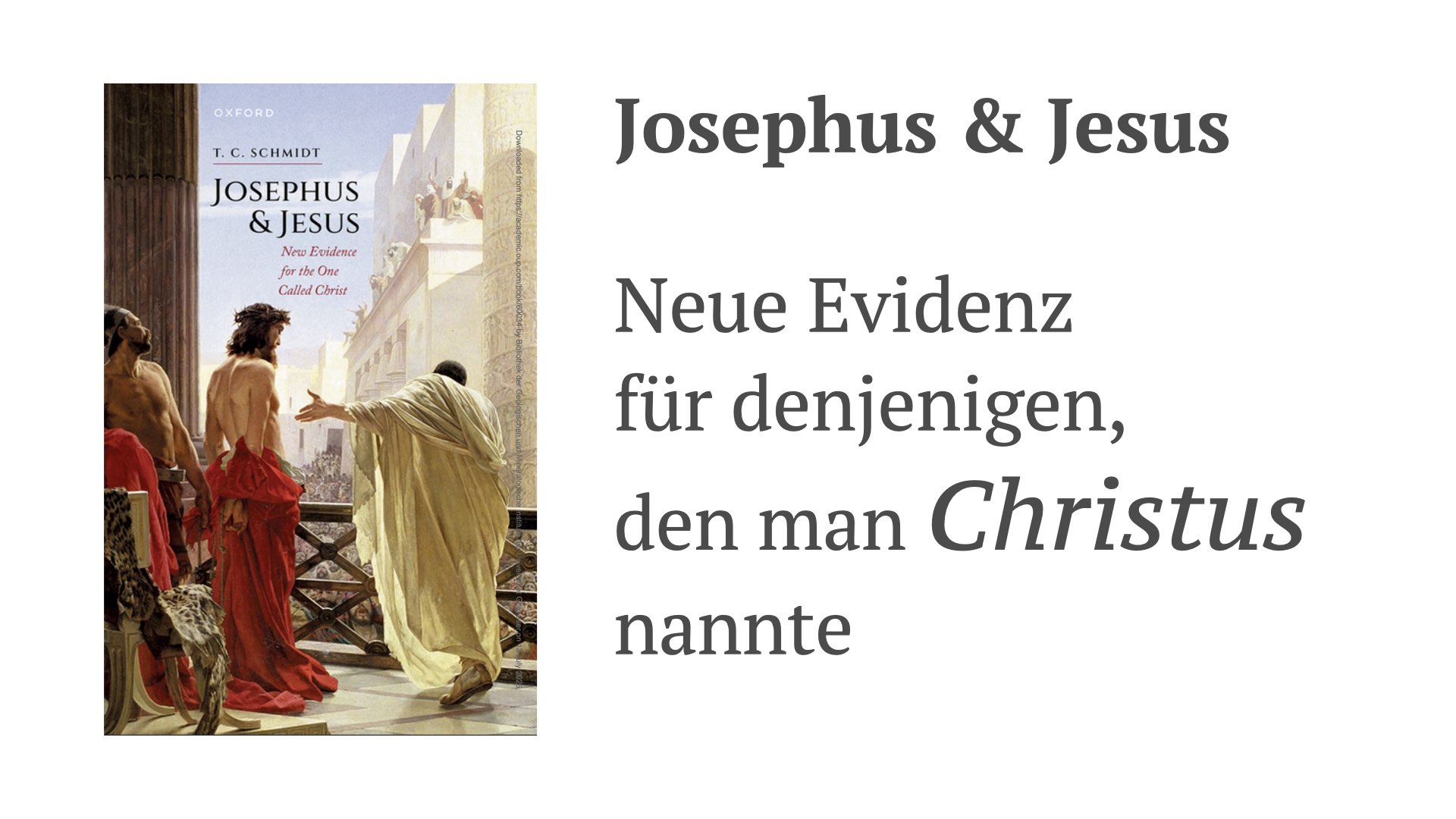








Du muss angemeldet sein, um einen Kommentar zu veröffentlichen.